
February 14
Your Digital Marketing Game Plan
0 comments
Thinking about how to get your business noticed online? It can feel like a lot, but it doesn’t have to be complicated. We’re going to break down what a digital marketing strategy is and how to build one that works for you. It’s all about having a clear plan so you know where you’re going and how you’ll get there. Let’s figure out your digital marketing game plan.
So, you’re thinking about getting serious with your online presence. That’s smart. But what does it actually mean to have a “digital marketing strategy“? It’s not just about posting on social media now and then or running a few ads. It’s a detailed plan that outlines how you’ll use online channels to reach your business goals. Think of it like a roadmap for your business in the digital world. Without one, you’re basically driving blind, hoping to stumble upon success.
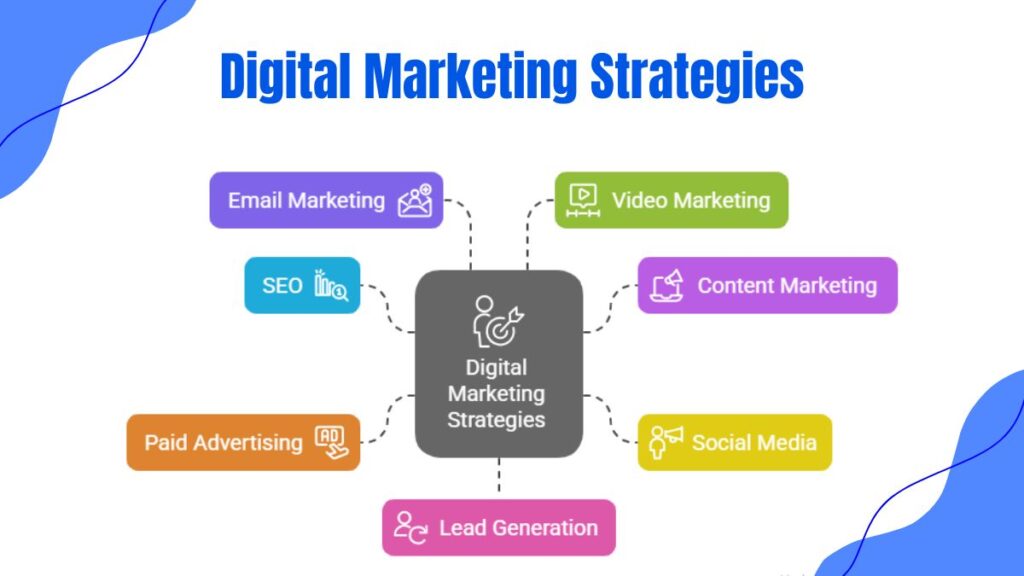
Honestly, trying to market online without a plan is like trying to build a house without blueprints. You might get something up, but it’s probably not going to be sturdy or look very good. A solid strategy helps you figure out who you’re trying to talk to, what you want to say, and how you’re going to say it effectively. It stops you from wasting time and money on things that don’t work.
Here’s why it’s so important:
“A digital marketing strategy is your blueprint for online success. It connects your business objectives with specific, actionable steps you’ll take across various digital platforms. This structured approach helps you understand your audience better, choose the right tools, and measure your progress effectively, ultimately driving growth.“
It helps you understand your audience on a deeper level. You can figure out who they are, what they like, and where they hang out online. This knowledge lets you tailor your message so it actually connects with them. Plus, it gives you a way to track your progress. You can see if your efforts are paying off or if you need to change things up. For instance, if you’re looking to boost your visibility in search results, understanding Search Engine Optimization (SEO) is a big part of that. It’s all about making sure the right people find you when they’re looking for what you offer. Having a clear plan makes all the difference in turning online activity into real business results. It’s about being intentional with your online presence, not just reactive. You can learn more about creating a powerful digital marketing strategy by understanding its essential elements.
Alright, so you’ve decided to get serious about planning your online presence. That’s a big step! But what actually goes into making a solid digital marketing game plan? It’s not just about throwing some ads out there and hoping for the best. We need to build this thing brick by brick.
First things first, who are you even trying to talk to? You can’t just say ‘everyone.’ That’s like trying to sell ice cream in Antarctica – it just doesn’t make sense. You need to get specific. Think about their age, where they live, what they do for work, their hobbies, and what problems they’re trying to solve. Knowing your audience inside and out is the bedrock of any successful marketing effort. Creating buyer personas, which are basically semi-fictional representations of your ideal customers, can really help here. It makes them feel more real, and you can tailor your message directly to them.
What do you actually want to achieve? Just saying ‘get more sales’ is too vague. Your goals need to be SMART: Specific, Measurable, Achievable, Relevant, and Time-bound. For example, instead of ‘increase website traffic,’ a SMART goal would be ‘increase organic website traffic by 15% in the next six months.’ This gives you something concrete to aim for and a way to track your progress. It’s all about having clear business targets and objectives [3d24].
Once you know who you’re talking to and what you want to achieve, you can pick the right places to reach them. Are they hanging out on Instagram? Do they search Google a lot? Maybe they respond well to emails? You don’t need to be everywhere. Focus on the channels where your target audience actually spends their time. This could be SEO, social media, email marketing, or paid ads. Picking the right channels is key to effective online promotion [3d24].
Now that you know where to find your audience and what you want to say, you need to actually say it in a way that grabs their attention. Your content – whether it’s a blog post, a social media update, a video, or an email – needs to be interesting and useful to your audience. It should answer their questions, solve their problems, or entertain them. Think about what kind of information they’re looking for and create content that fits.
Let’s be real, marketing costs money. You need to figure out how much you can spend and where that money will go. This means allocating funds to different channels, content creation, tools, and maybe even hiring help. A clear budget helps you stay on track and make sure you’re getting a good return on your investment. It’s important to consider how these elements integrate for measurable business growth [9214].
“Building a digital marketing strategy isn’t a one-time task. It’s an ongoing process of planning, executing, and refining. Think of it like tending a garden; you plant the seeds, water them, and then adjust based on how they’re growing.“
Here’s a quick look at how you might break down a hypothetical budget:
| Category | Percentage of Budget |
|---|---|
| Content Creation | 25% |
| Paid Advertising | 35% |
| SEO Tools/Services | 15% |
| Social Media Mgmt | 15% |
| Email Marketing | 10% |

Alright, so you’ve got your strategy mapped out, your goals are clear, and you know who you’re talking to. Now, where do you actually do all this talking? That’s where these digital marketing channels come in. Think of them as your different avenues for reaching people online. You don’t have to use all of them, but knowing what each one does is super important for picking the right ones for your business.
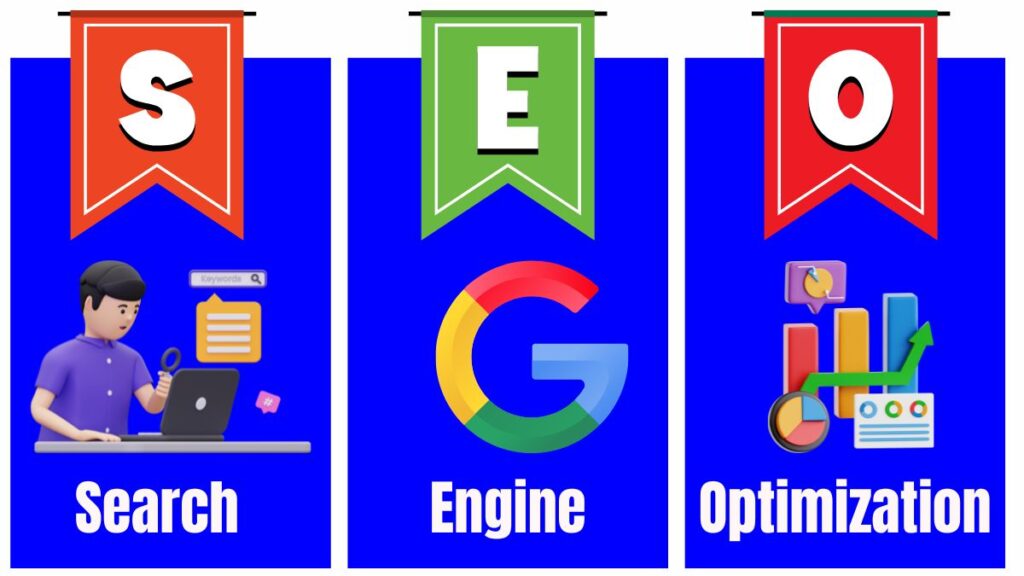
This is all about making your website show up higher in search engine results, like when someone Googles something related to what you offer. The goal is to get people to click on your link when they’re actively looking for solutions you provide. It takes time and consistent effort, but when it works, it’s gold. It’s about being found when people need you most.
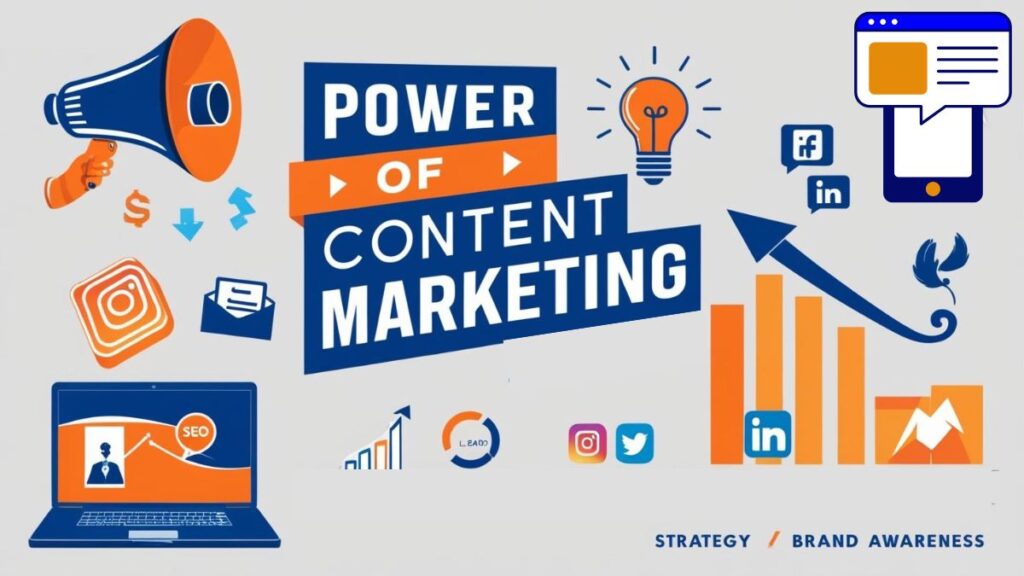
This is where you create and share useful, interesting stuff – like blog posts, videos, infographics, or guides. The idea isn’t to directly sell something, but to attract and keep an audience by giving them information they find helpful. It builds trust and positions you as an expert. It’s a long-term play, but it really pays off.
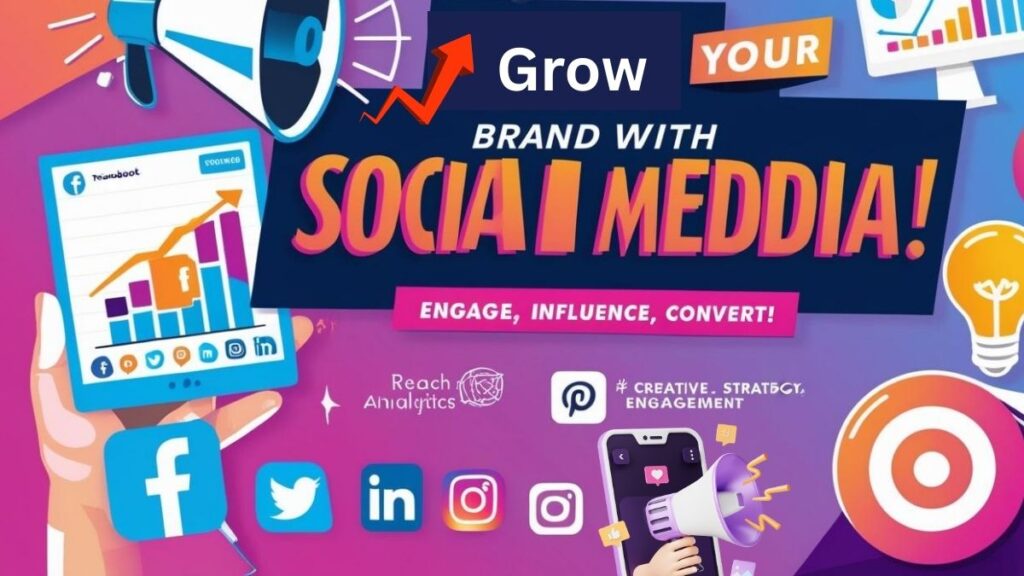
You know, Facebook, Instagram, LinkedIn, TikTok – all those places. It’s about building a community, engaging with your audience, and sharing your brand’s personality. You can use it for everything from customer service to running ads. Different platforms work for different people, so pick wisely.
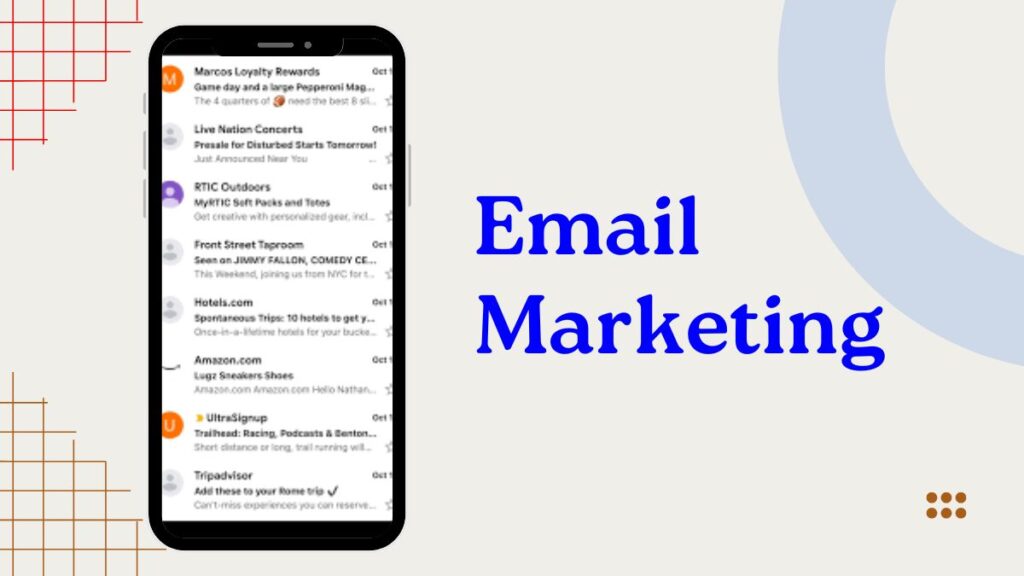
Don’t sleep on email! It’s still one of the most direct ways to talk to people who have already shown interest in your business. You can send out newsletters, special offers, or updates. It’s great for keeping people engaged and bringing them back.
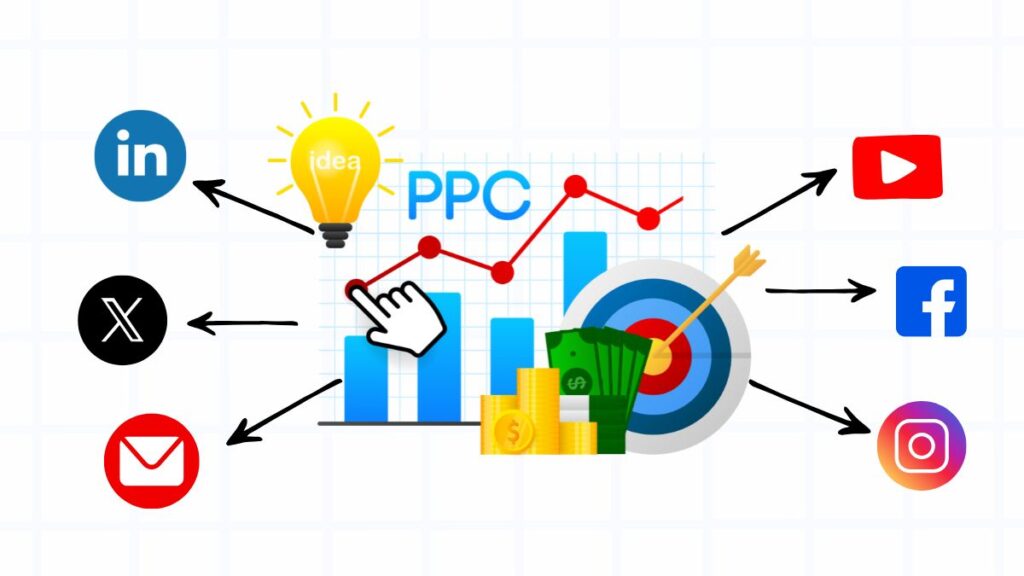
This is when you pay to have your ads shown, usually on search engines or social media. Pay-per-click (PPC) means you only pay when someone actually clicks on your ad. It can get you results pretty quickly, but you need to watch your budget carefully. It’s a good way to test out different messages and see what works.
“Choosing the right mix of these online marketing tactics depends entirely on your specific goals and your audience. What works for one business might not work for another. It’s about smart choices, not just doing everything.“
Here’s a quick look at how these channels stack up:
| Channel | Primary Goal | Effort Level | Speed of Results |
|---|---|---|---|
| SEO | Organic visibility in search results | High | Slow |
| Content Marketing | Attract and engage audience, build trust | High | Slow to Medium |
| Social Media | Brand awareness, community building, engagement | Medium to High | Medium |
| Email Marketing | Nurture leads, drive repeat business | Medium | Medium |
| Paid Advertising (PPC) | Quick traffic, lead generation, sales | Medium | Fast |

So, you’ve put together a killer digital marketing plan. Awesome! But how do you know if it’s actually working? That’s where measuring your success comes in. It’s not just about looking at pretty numbers; it’s about understanding what’s driving results and what’s just noise.
You need to track the right things to know if your efforts are paying off. Think of it like this: if you’re trying to lose weight, you don’t just step on the scale once and call it a day. You track your food, your workouts, and your weight over time to see what’s making a difference. Digital marketing is the same way. You need to keep an eye on specific metrics, or Key Performance Indicators (KPIs), to see how your campaigns are doing.
Here are some common KPIs you’ll want to watch:
It can feel a bit overwhelming at first, but focusing on these core metrics will give you a clear picture of your performance. You can set up dashboards to see these numbers easily, so you’re not digging through reports all the time.
“Regularly reviewing your analytics isn’t just a good idea; it’s how you make smart adjustments. Without this data, you’re essentially flying blind, hoping for the best instead of knowing what works.“
Don’t forget about customer engagement too. Likes, shares, comments, and email open rates all tell a story about how your audience is interacting with your brand. It’s all about connecting the dots between what you’re doing and the actual business outcomes you’re aiming for.
Now that your goals, budget, and channels are mapped out, it’s time to get your hands dirty and put your digital advertising roadmap to work. If you’ve ever wondered how to create a marketing plan you can actually stick to, the secret isn’t flashy tools or overnight results—it’s steady action and tracking.
Here’s a straightforward approach:
If you start small, stay consistent, and make improvements as you learn, your business growth strategy online becomes much more than a list of good intentions.
“Momentum comes from moving pieces forward, even if only one at a time. The truth is, every winning marketing playbook is built from tested steps, reviewed results, and a fair amount of adapting on the fly.“
So, that’s the rundown on getting your digital marketing in gear. It might seem like a lot, but really, it’s about taking things one step at a time. Look at what worked before, figure out what you want to do next, and then make a plan to get there. Don’t forget to check in on your website and social media too – they’re big parts of the puzzle. Keep at it, and you’ll start seeing things move in the right direction. It’s not magic, just smart work.
Think of a digital marketing game plan as your roadmap for getting your business noticed online. It’s all about figuring out who you want to reach, what you want to achieve, and how you’ll use tools like social media, websites, and ads to make it happen. It helps you stay organized and focused so you don’t waste time or money on things that don’t work.
Knowing your audience is super important because it helps you create messages that actually connect with them. If you know who they are, what they like, and what problems they have, you can make sure your ads and content are exactly what they’re looking for. It’s like talking to a friend who understands you, instead of shouting into a crowd.
SMART goals are specific targets that are Measurable, Achievable, Relevant, and Time-bound. Instead of saying ‘I want more followers,’ a SMART goal would be ‘I want to get 100 new Instagram followers in the next 30 days.’ This makes it clear what you’re aiming for and helps you track if you’re actually getting closer to your goal.
You should pick channels where your target audience hangs out. For example, if you’re selling cool art, Instagram or Pinterest might be great. If you’re selling to other businesses, LinkedIn could be a better choice. It’s also smart to start with a few channels you can manage well and then expand as you get more comfortable.
SEO (Search Engine Optimization) is like making your website easy for search engines like Google to find and understand, so people searching for things you offer can discover you. Content Marketing is about creating helpful and interesting stuff, like blog posts or videos, that attract people and show them you know your stuff. They work best together!
You can tell if your efforts are working by looking at numbers, called Key Performance Indicators (KPIs). These could be things like how many people visit your website, how many click on your ads, how many people buy something, or how much engagement you get on social media. Tools like Google Analytics can help you see these numbers and understand what’s going well and what needs improvement.


Tags
Ads, Advertising, Analytics, Audit, Business, Buyer, Channels, Content, Development, Digital, Email, Engine, Facebook, Influencer, Instagram, KPI, Leads, Local, Marketing, Media, Meta, Optimization, Page, Paid, Personas, Retargeting, ROI, Search, SEO, Strategy, Teams, Traffic, Visibility, Website
Limited Time Offer: Book your free consultation today and get a free website audit report worth ₹5,000!
Don't let your competitors outrank you. Invest in your business's future today with our One-Time SEO Package!
Session expired
Please log in again. The login page will open in a new tab. After logging in you can close it and return to this page.